



Book ahead
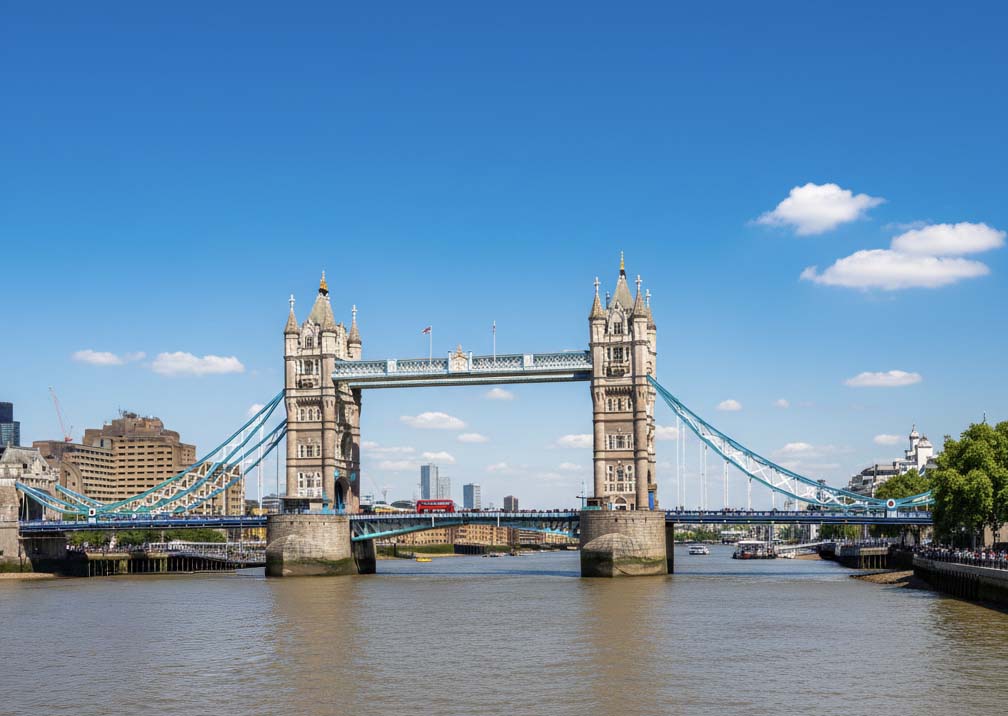
Tower of London & Tower Bridge
The Crown Jewels, 1,000 years of walls, and the bridge that everyone photographs. Timed entry sells out first in summer.
From “where next?” to a great day out
Everything you need to turn a list of places into a day that actually works. Choose an area, follow a sensible route and keep the practical details close at hand.
Access starts after payment confirmation. Save your private link to return later.

35 guides included with access
London is easier to enjoy when you explore one area properly instead of spending the day crossing the city. Our complete area guides bring the best sights, food stops, useful maps and practical advice together on one page.
Tools
Compare travel costs, find your hotel’s zone and work out when walking makes more sense. All 13 paid tools are included with complete access.
What your travel will cost
Daily and weekly caps, buses, Hopper transfers and Heathrow.
Get access to this toolWhen the Tube is slower
118 stations and 23 landmarks, against a realistic door-to-door Tube time.
Get access to this toolWhich zone is my hotel in?
Every station in TfL’s published list, searchable by neighbourhood.
Get access to this tool13 planning tools + all 35 area guides for £4.99. See complete access →
Just browsing? Open the free Emergency & Healthcare Card.
Start with these
A few places to start your first visit — what to expect, which are free, and where to read the full guide before you go.
The Crown Jewels, 1,000 years of walls, and the bridge that everyone photographs. Timed entry sells out first in summer.
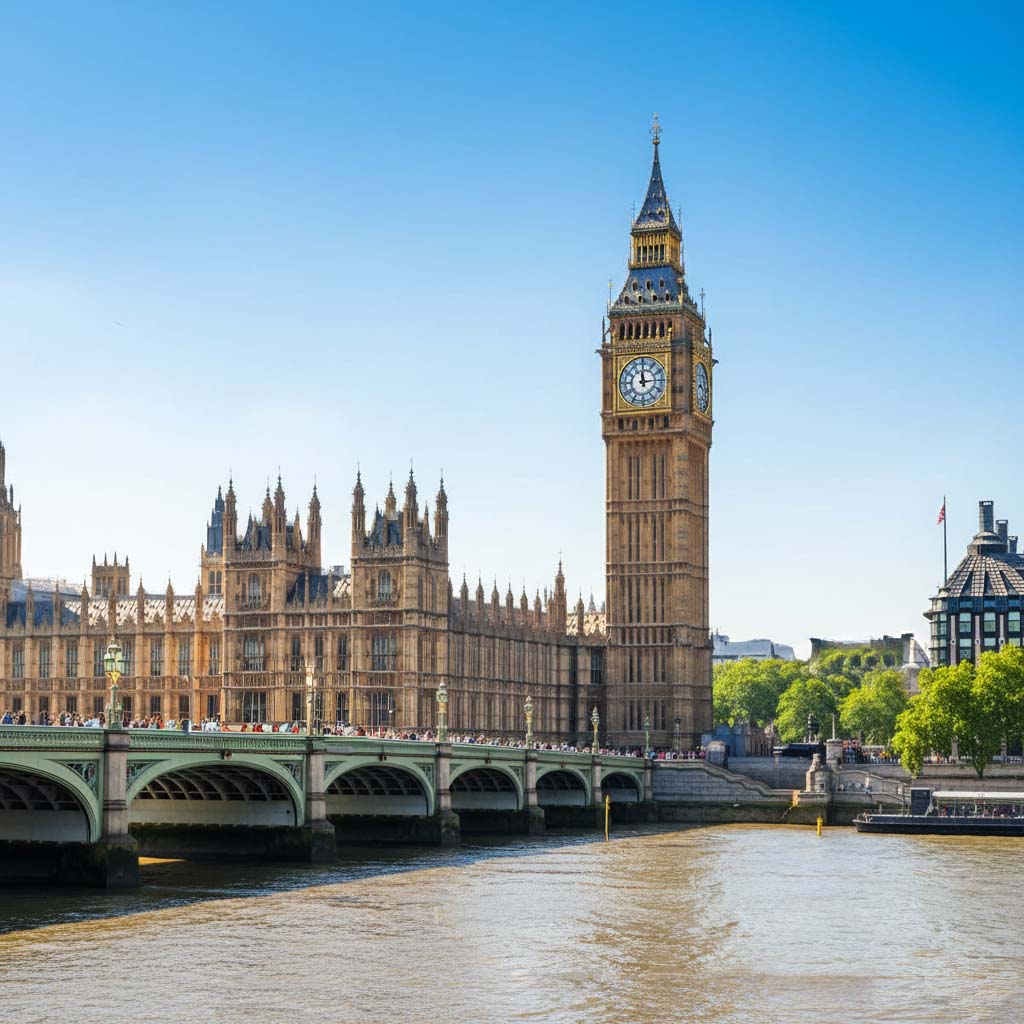
Parliament, the Abbey and the clock tower within one short walk. The most recognisable half mile in the country.
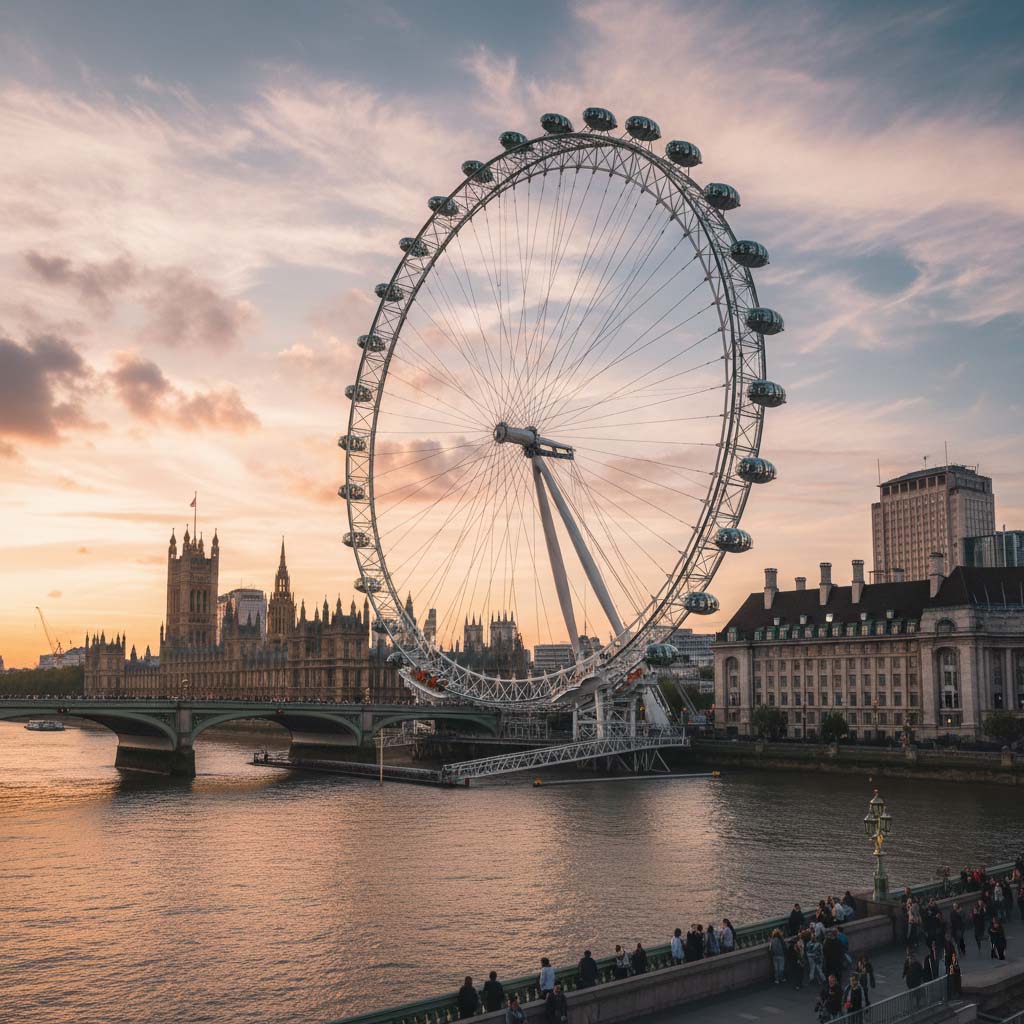
A slow turn above the Thames, then the easiest landmark walk in London along the South Bank.
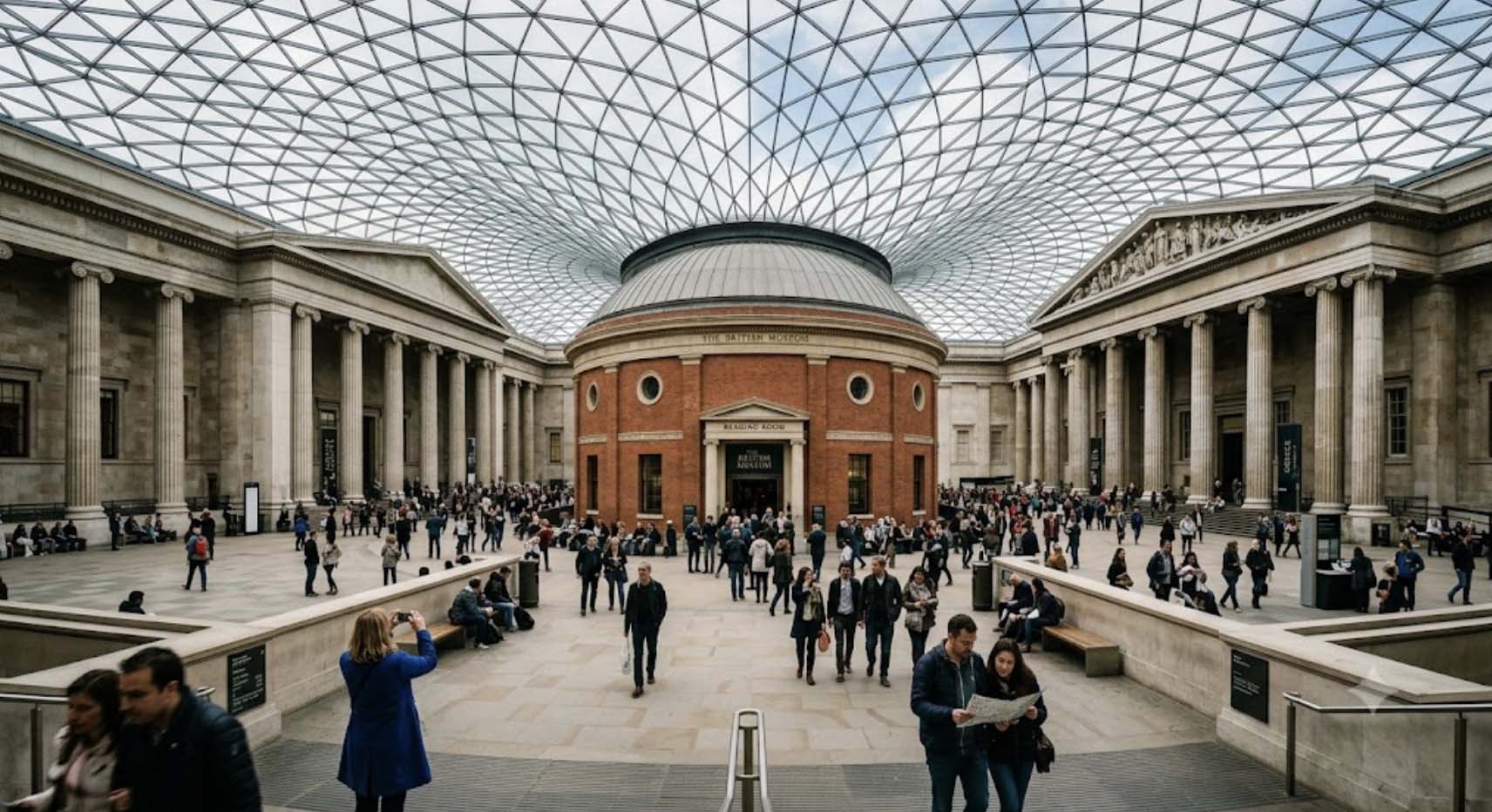
Ancient objects and remarkable stories in Bloomsbury. Check the museum’s booking information before you visit.
Book now
Skip-the-line tickets, guided walks and day trips beyond the city. Booked through our travel partner GetYourGuide, with free cancellation on most experiences.
Ad · Affiliate links — Tours are supplied and booked through GetYourGuide. We receive a commission if you book, at no extra cost to you.
The live booking panel has not appeared. You can browse the full range of London tours, tickets and day trips directly instead.
Browse London toursTickets and bookings are purchased separately from your £4.99 guide and tool access.
Powered by GetYourGuide.
Theatre
Seven long-running musicals in venues within a fifteen-minute walk of each other. Midweek matinees are usually the cheapest seats of the week.

Sondheim Theatre
Find out more
Lyceum Theatre
Find out more
Apollo Victoria Theatre
Find out moreAcross the West End
See the full listAffiliate disclosure: Ticket links are affiliate links. If you book after following one, ilovelondon.com may receive a commission at no extra cost to you.
.gif)
Theatre
London's theatre district is the best in the world and it is smaller than most visitors expect — around 40 venues within a 15-minute walk of each other. Long-running musicals such as The Lion King and Wicked sit alongside new plays, comedy and opera, and midweek matinees are usually the cheapest seats of the week.
Book theatre ticketsWhere to stay
Central London, the airports and a few country escapes. Filter the full list by company, neighbourhood or airport on our hotels page.
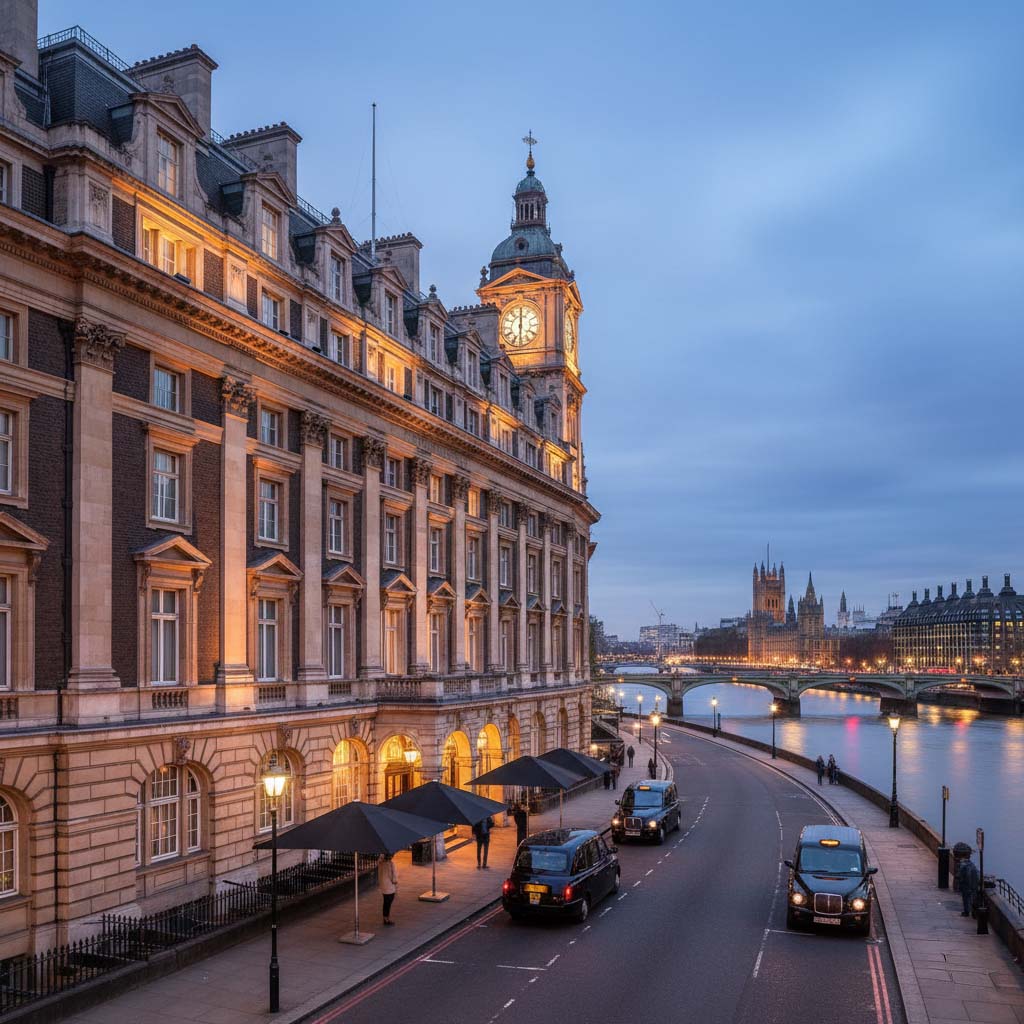
Historic riverside elegance in Whitehall, beside Embankment.
Affiliate disclosure: Some hotel links on this page are affiliate links. If you make a booking after following one, ilovelondon.com may receive a commission at no extra cost to you.
Keep exploring
Survive No10 · Political survival game
Another project from I Love London
You can explore Westminster with our London guides. Now try life on the other side of the famous black door. Survive No10 is our political survival game at No10.co.uk.
Face 656 political dilemmas. Make the decisions, see the headlines and keep the public, your party, the markets and the press on side. If any rating reaches zero, your time in office is over.
The game is a separate purchase and is not included in ILoveLondon.com’s £4.99 guide and tool access. Independent and unofficial; not affiliated with HM Government or the Prime Minister’s Office.
No10.co.uk and ILoveLondon.com are run by the same independent operator and share customer support at info@ilovelondon.com.
Your next step
35 area guides. 13 planning tools. London discounts.
One place to plan a trip you’ll love.