I Love London
The City of London skyline and the River Thames at dusk

The complete guide toThings to do in London

Two thousand years of history, world-class museums, and the best theatre on the planet. Book tours and tickets, then plan the rest with our free guides.

Take me there
170+Museums & galleries
40+West End theatres
3,000+Parks & green spaces
2,000Years of history

Start with these

London's must-sees

The eight places almost every first visit includes — what to expect, which are free, and where to read the full guide before you go.

All landmarks
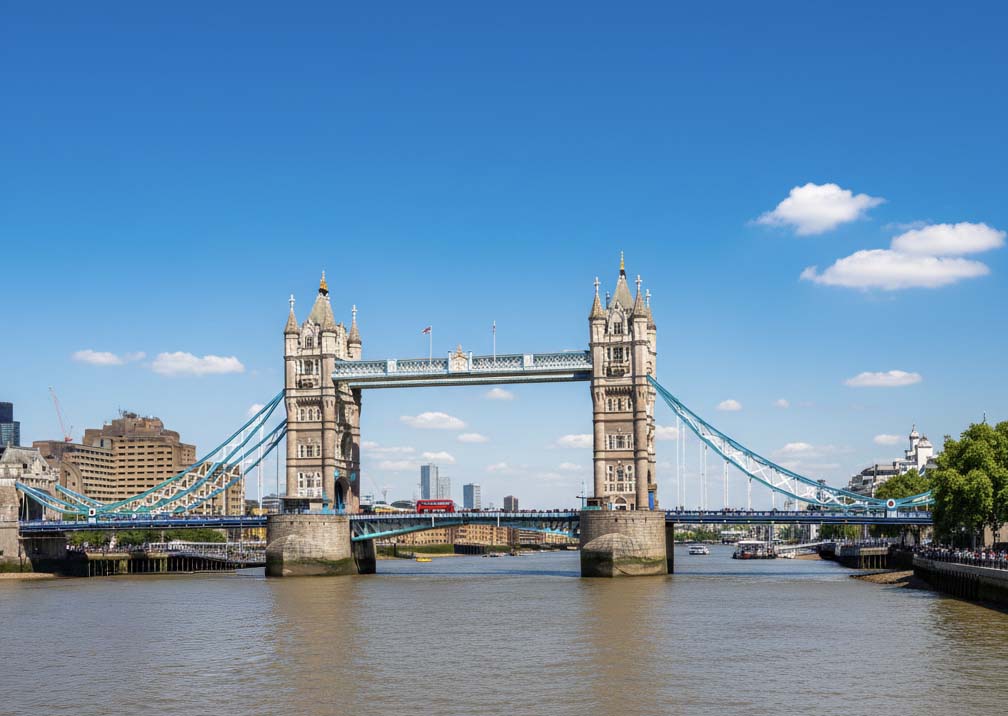
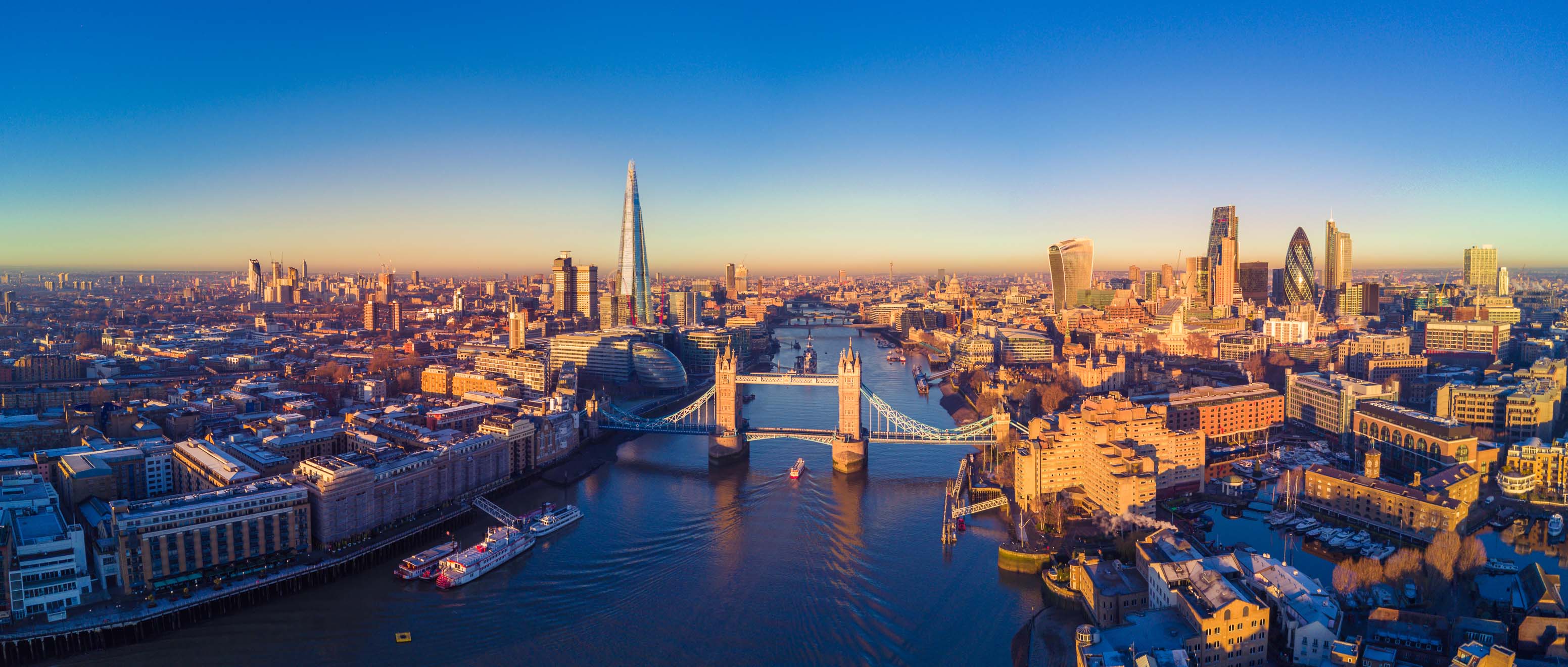
Book ahead Tower Bridge over the River Thames

Tower of London & Tower Bridge

The Crown Jewels, 1,000 years of walls, and the bridge that everyone photographs. Timed entry sells out first in summer.
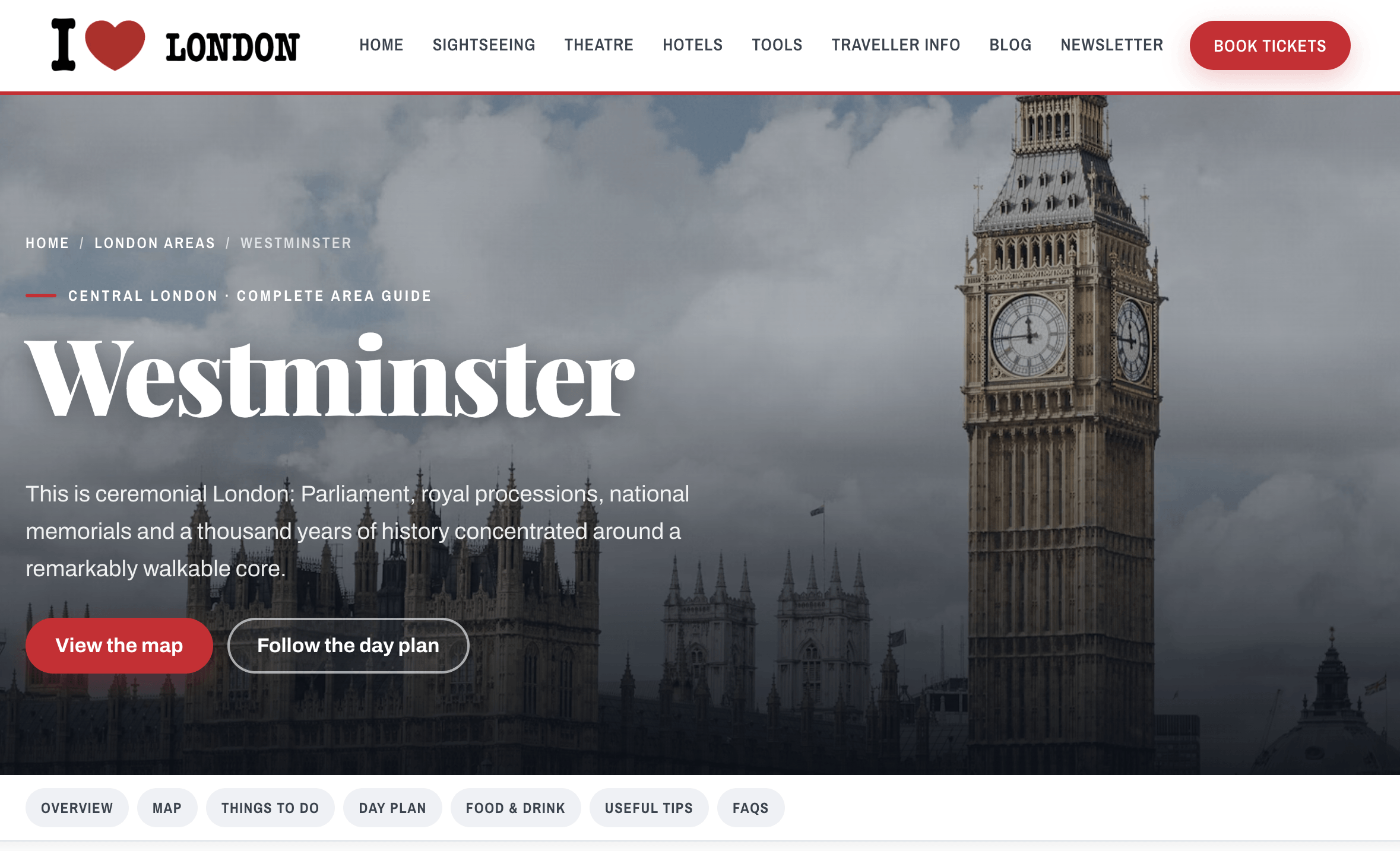
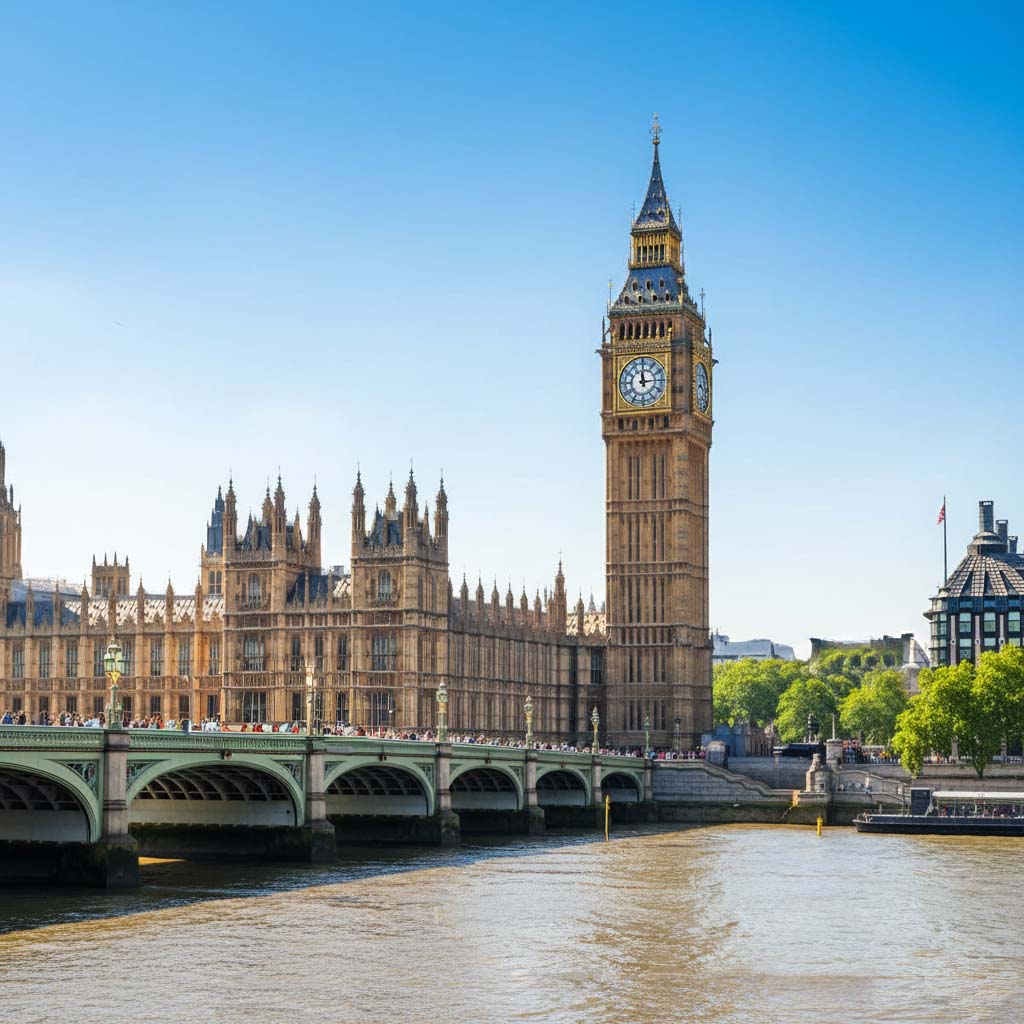
First-visit essential Big Ben and the Houses of Parliament

Westminster & Big Ben

Parliament, the Abbey and the clock tower within one short walk. The most recognisable half mile in the country.
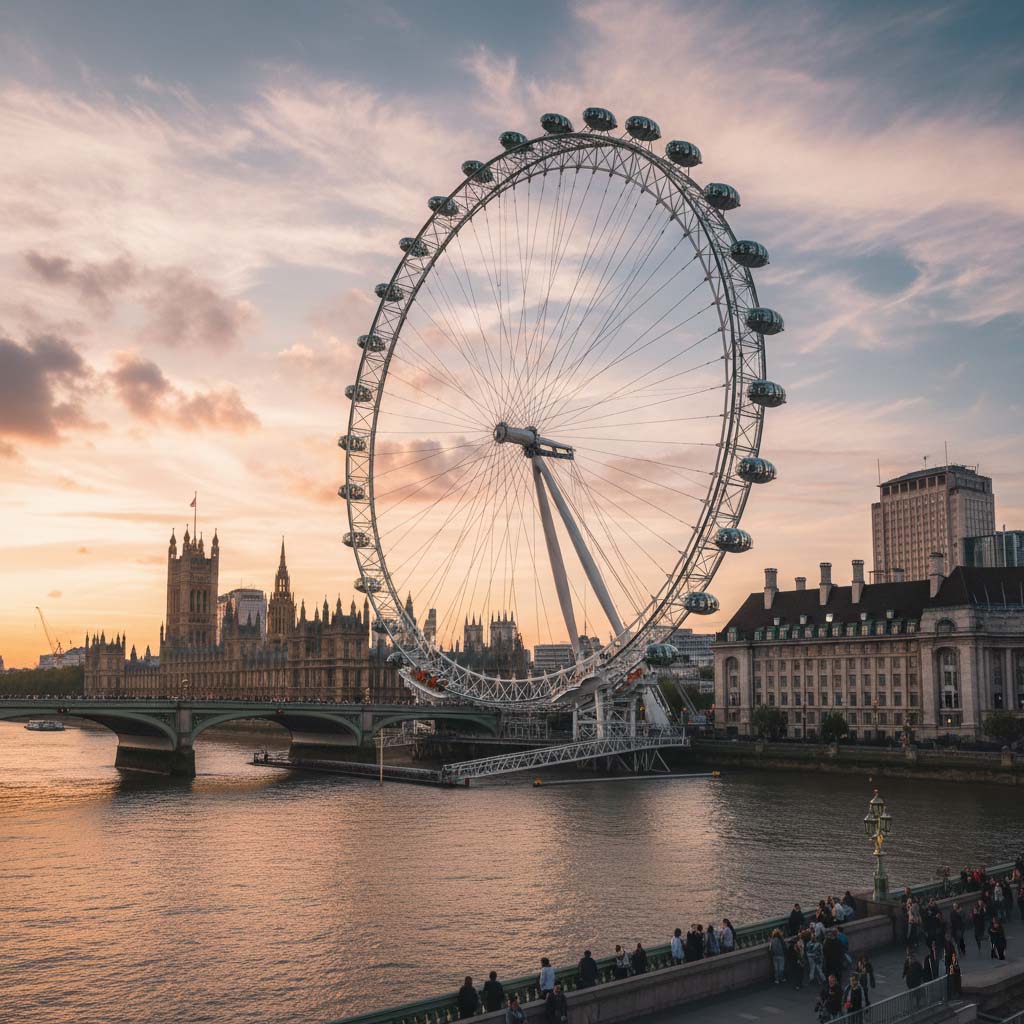
River views The London Eye beside the Thames

The London Eye & South Bank

A slow turn above the Thames, then the easiest landmark walk in London along the South Bank.
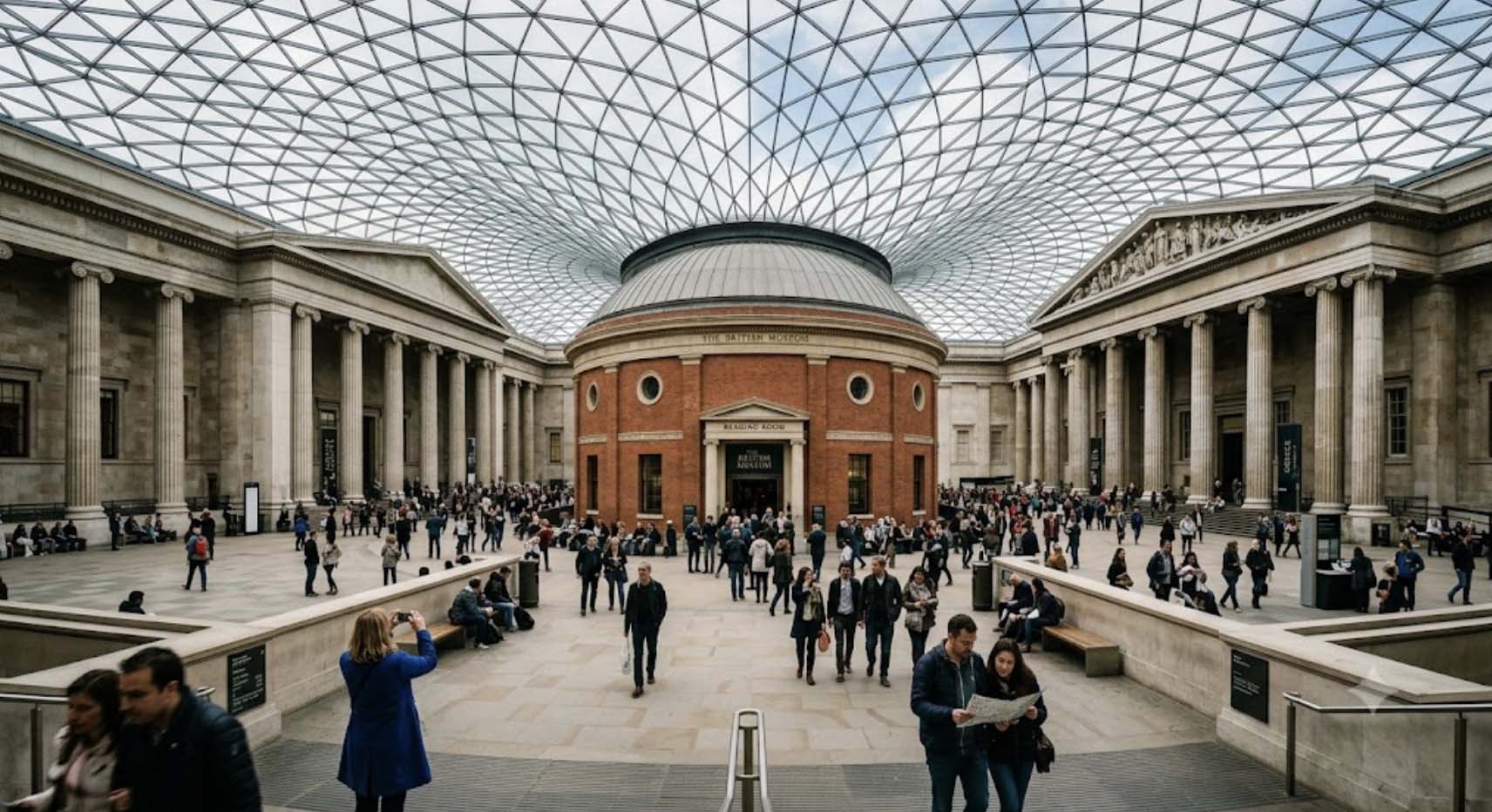
Free entry The bright modern Great Court inside the British Museum

The British Museum

The Rosetta Stone, the Parthenon sculptures and eight million objects. Reserve a free timed slot and skip the queue.

Dome climb St Paul’s Cathedral and the City skyline

St Paul’s & the City

Wren’s cathedral, the Whispering Gallery and Roman remains tucked between the glass towers.

Full day out A lively street in Greenwich

Greenwich & the Observatory

World time, the Cutty Sark, a royal park and the best free skyline view in south London.

Free entry The Natural History Museum in South Kensington

South Kensington museums

The Natural History Museum, Science Museum and V&A stand within three minutes of each other.

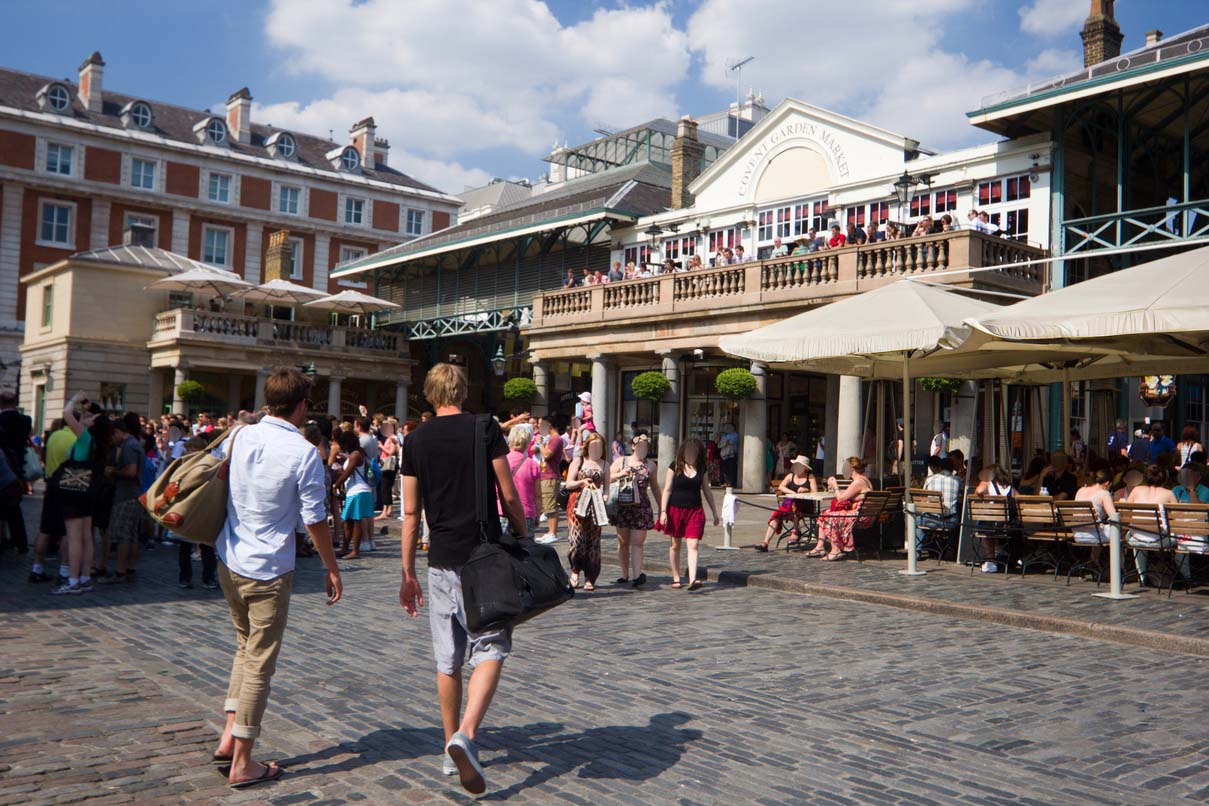
Theatreland Covent Garden Piazza in the heart of London

Covent Garden

Street performers on the Piazza, Seven Dials, and forty theatres within a fifteen-minute walk.

A city like no other

Every visit reveals a different side of London

From iconic landmarks and free world-class museums to the vibrant West End and the street markets of Borough, Camden and Brick Lane, London rewards every kind of traveller. Come for the history, the food, the art or the football — there is always something you have not seen yet.

Use this guide to book the big-ticket experiences, then fill the gaps with our free planning tools: where to stay, how to get around, what costs nothing, and when to visit.

Around 20 million international visitors arrive in London every year. This guide is built to help you skip the queues and see more of it.

Book now

Top London tours & attractions

Skip-the-line tickets, guided walks and day trips beyond the city. Booked through our travel partner GetYourGuide, with free cancellation on most experiences.

Ad · Affiliate links — Tours are supplied and booked through GetYourGuide. We receive a commission if you book, at no extra cost to you.

Powered by GetYourGuide.

Theatre

Tonight in the West End

Seven long-running musicals in venues within a fifteen-minute walk of each other. Midweek matinees are usually the cheapest seats of the week.

All shows & plays

Affiliate disclosure: Ticket links are affiliate links. If you book after following one, ilovelondon.com may receive a commission at no extra cost to you.

A West End theatre production in London

Theatre

West End show offers

London's theatre district is the best in the world and it is smaller than most visitors expect — around 40 venues within a 15-minute walk of each other. Long-running musicals such as The Lion King and Wicked sit alongside new plays, comedy and opera, and midweek matinees are usually the cheapest seats of the week.

Book theatre tickets

Ad · Affiliate link — Booking is with Theatre Tickets Direct. We receive a commission if you book, at no extra cost to you.

A lively London neighbourhood street in Greenwich

Explore neighbourhood by neighbourhood

Find the right London area for your day

London is easier to enjoy when you explore one area properly instead of spending the day crossing the city. Our complete area guides bring the best sights, food stops, useful maps and practical advice together on one page.

  • Ready-made walking routes and realistic timings
  • Greenwich, Westminster, Covent Garden, Soho and more
  • Transport advice, local tips and places to eat
Explore London areas

Where to stay

48 hotels, 6 partners

Central London, the airports and a few country escapes. Filter the full list by company, neighbourhood or airport on our hotels page.
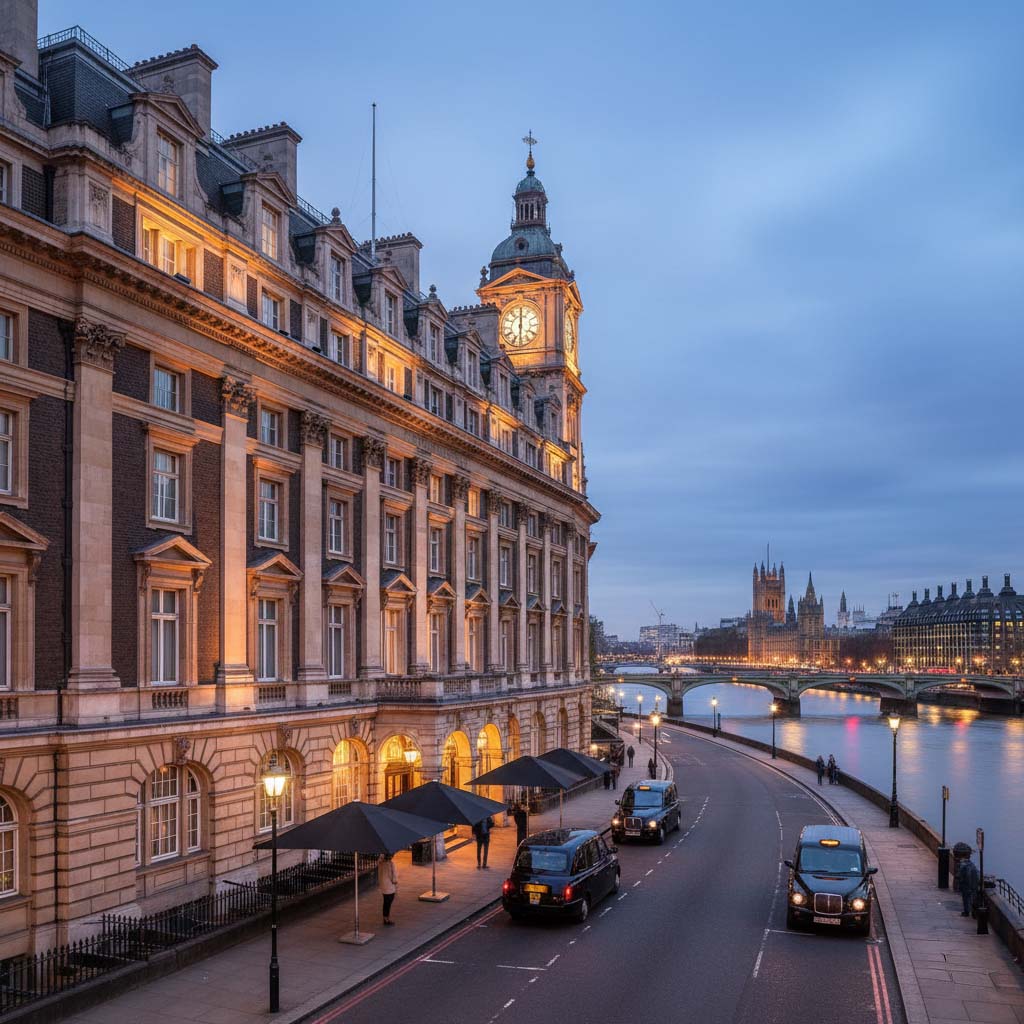
Open the hotel finder
A London hotel room overlooking the city
10hotels

Thistle Hotels

Tower Bridge, Marble Arch, Bloomsbury, the West End and Heathrow.

View
27hotels

Radisson Hotels

Radisson, Radisson Blu, RED, Park Plaza and art’otel across London.

View
2hotels

The Clermont

Two landmark railway hotels, at Charing Cross and Victoria.

View
1hotels

The Cumberland

A music-inspired stay where Marble Arch meets Oxford Street.

View
1hotels

The Royal Horseguards Hotel

Historic riverside elegance in Whitehall, beside Embankment.

View
7hotels

Macdonald Hotels

Bath, Windsor, Ascot and the Cotswolds for a wider itinerary.

View

Affiliate disclosure: Some hotel links on this page are affiliate links. If you make a booking after following one, ilovelondon.com may receive a commission at no extra cost to you.

Free tools

Answers a guidebook can't give you

Built for visitors, updated with the 1 March 2026 fare revision, and honest about what they can't tell you. No sign-up, and they work with no signal underground.

See all free tools

Tube fare calculator

What your travel will cost

Daily and weekly caps, buses, Hopper transfers and Heathrow.

Work out my fares

Walk it instead

When the Tube is slower

118 stations and 23 landmarks, against a realistic door-to-door Tube time.

Check my journey

Zone finder

Which zone is my hotel in?

Every station in TfL’s published list, searchable by neighbourhood.

Find my zone

Free tool

How much will your travel actually cost?

Tap in with the same card all day and TfL simply stops charging you once your fares hit a ceiling — usually after three journeys. Everything after that is free, and nobody at the barrier tells you it has happened. Our calculator does that arithmetic for your real dates.

  • Day-by-day breakdown of what you'll be charged
  • The Monday-to-Sunday weekly cap that catches out midweek arrivals
  • Buses, Hopper transfers and Heathrow included
  • Tells you plainly whether to tap or buy a Travelcard
  • Zone finder for your hotel — and it works offline on the Tube

Free, no sign-up, and no data sent anywhere. Adult fares updated for the March 2026 revision.

Illustrated timeline of London history from Roman Londinium to the modern skyline

Time travel

Walk through 2,000 years of history

London's story is one of conquest, plague, fire and reinvention. A small Roman trading post named Londinium became a medieval walled city, burned almost entirely in 1666, powered an empire through the Victorian era, survived the Blitz, and emerged as the global metropolis you see today.

Much of it is still standing. Roman wall fragments sit beside glass towers, and Tudor palaces are a short walk from Georgian squares.

Explore London's history

Essential info

Visitor essentials

The practical answers — transport, money, museums, safety — in one place.

Getting around

London has one of the world's best public transport networks. Tap in with a contactless card or an Oyster card on the Tube, buses, DLR and Overground.

  • Contactless fares cap automatically each day and week
  • Children under 11 travel free with a paying adult
  • Touch in and out on the Tube; buses are touch in only
  • The Night Tube runs Friday and Saturday on selected lines

Free museums

Most of London's great museums charge nothing for general admission — a serious advantage on any budget.

  • British Museum — ancient artefacts and the Rosetta Stone
  • Natural History Museum — dinosaurs and the blue whale hall
  • Science Museum — hands-on exhibits, great for children
  • V&A — art, design and fashion
  • National Gallery — European masterpieces on Trafalgar Square
  • Tate Modern — contemporary art in a former power station

Book a free timed slot online to skip the entry queue.

Best time to visit

London works year-round, but each season gives you a different city.

  • Spring (Mar–May) — parks in bloom, mild and quieter
  • Summer (Jun–Aug) — warmest, longest days, busiest
  • Autumn (Sep–Oct) — colour in the parks, fewer crowds
  • Winter (Nov–Feb) — Christmas markets and festive lights

Pack a compact umbrella whenever you come — light rain is possible all year.

Money & payments

The currency is pounds sterling (£ / GBP), and London is close to cashless.

  • Cards accepted almost everywhere, including small shops
  • Apple Pay and Google Pay widely supported
  • Buses do not take cash at all — card or Oyster only
  • ATMs are common; avoid the ones charging a fee

Tipping etiquette

Tipping is appreciated in London but far less expected than in the United States.

  • Restaurants — 10–15%, and check whether service is already added
  • Pubs — not expected when ordering at the bar
  • Taxis — round up the fare or add 10%
  • Hotels — £1–2 per bag for porters

Safety & emergencies

London is a generally safe city, but stay aware in crowded tourist areas and on public transport.

  • Emergencies — call 999
  • Non-emergency police — call 101
  • NHS — emergency care at A&E; call 111 for advice
  • Keep phones and bags secure on the Tube and around Oxford Street

Good to know

London travel questions

Quick answers to what visitors ask us most.

How many days do you need in London?

Three to four days is enough to cover the headline sights — the Tower of London, Westminster, Buckingham Palace and a West End show. Five to seven days gives you time for the major museums, neighbourhoods such as Greenwich and Notting Hill, and a day trip to Windsor, Oxford or Stonehenge.

What is the best time of year to visit London?

May to September brings the warmest weather and the longest days. March to April and October are quieter and cheaper, with mild conditions. November and December are cold but bring Christmas markets and festive lights. Light rain is possible in any month, so pack a compact umbrella whenever you travel.

Do I need to book London attractions in advance?

Yes for the big paid sights. The Tower of London, London Eye, Westminster Abbey, St Paul’s Cathedral and popular West End shows regularly sell out in summer and school holidays, and advance tickets are usually cheaper than buying at the door. Free museums often use timed entry slots too, so it is worth reserving one.

Are London museums really free?

Permanent collections at the British Museum, Natural History Museum, Science Museum, V&A, National Gallery and Tate Modern are free to enter. Temporary blockbuster exhibitions are ticketed separately, and most museums invite an optional donation on the way in.

What is the cheapest way to get around London?

Tap in with a contactless bank card or an Oyster card on the Tube, buses, DLR and Overground. Fares cap automatically each day and each week, so you never pay more than the equivalent travelcard. Buses are card only and never take cash, and central London is compact enough that many Zone 1 journeys are quicker on foot.

How do I get from Heathrow to central London?

The Piccadilly line is the cheapest option and takes roughly 50 to 60 minutes to the West End. The Elizabeth line reaches Paddington in about 30 minutes and Liverpool Street in about 45. Heathrow Express is fastest at around 15 minutes to Paddington, and also the most expensive.

What can you do in London for free?

A great deal. Entry is free at the British Museum, Natural History Museum, Science Museum, V&A, National Gallery, Tate Modern and Tate Britain. The Changing of the Guard, Borough Market, Sky Garden, the Thames Path, Hyde Park, Greenwich Park and the view from Primrose Hill all cost nothing, and the South Bank walk takes in a run of landmarks without a single ticket.

Is London expensive to visit?

It can be, but the two biggest costs are usually accommodation and paid attractions rather than day-to-day spending. Fares are capped automatically, the best museums are free, and midweek matinees are the cheapest theatre seats of the week. Booking attractions in advance is normally cheaper than buying at the door.

More questions answered

Join the list

Get the best of London in your inbox

London's best news, hidden gems, exciting events and unforgettable experiences — one email a week, and nothing else.

No spam · Unsubscribe anytime

What's in it?

Get the app experience

Add to home screen

19,000+ followers on Facebook

Follow us

Exploring more of the UK & Ireland?

Edinburgh, Dublin, Manchester, Bath and the Lake District are all within easy reach of London by train or short flight. Find top-rated tours and tickets for the rest of the country.

View more destinations